
Easy recipes for beginners
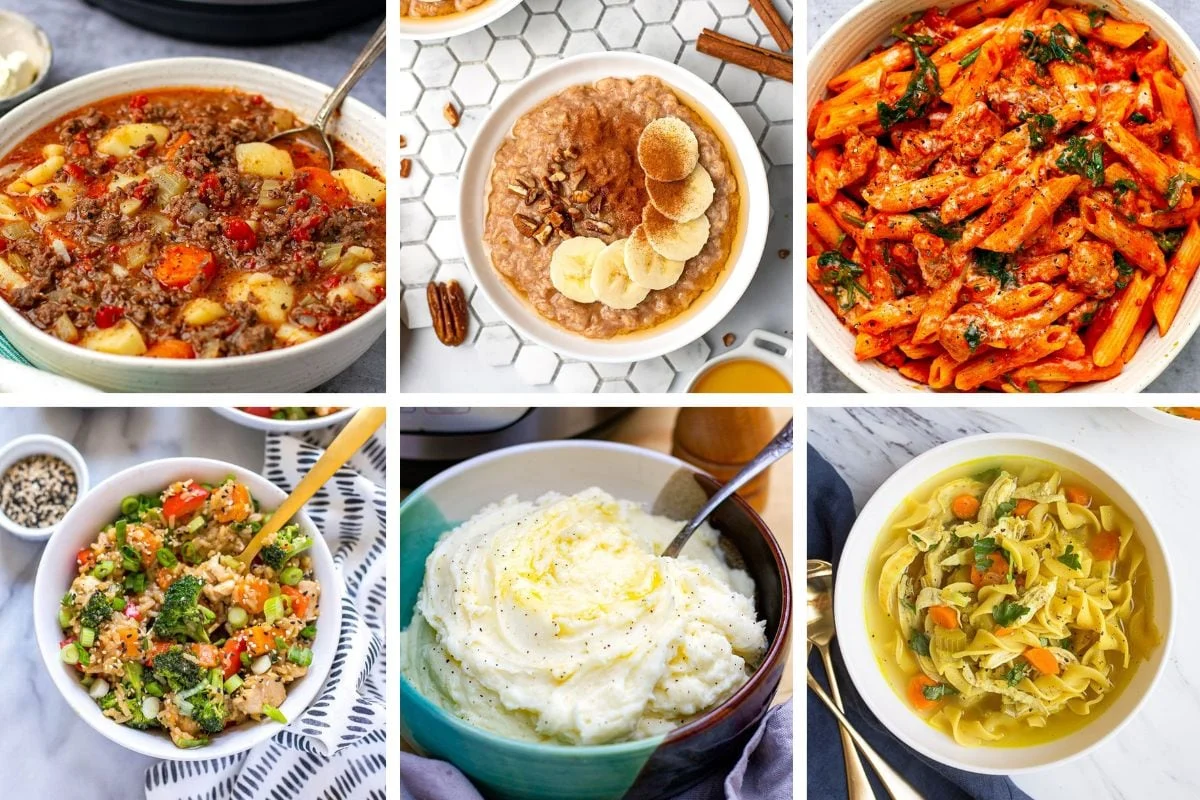
Cooking can seem intimidating when you are just starting out. With complex recipes, unfamiliar ingredients, and tricky techniques, it’s easy to feel overwhelmed. But the truth is, cooking doesn’t have to be complicated. Even beginners can create delicious meals with simple, straightforward recipes. The key is to start small, use easy-to-find ingredients, and focus on techniques that are simple yet effective. In this article, we will explore some easy recipes perfect for beginners, tips to make cooking less stressful, and how to build confidence in the kitchen.
1. Simple Breakfast Ideas

Breakfast is often the easiest meal to start with as a beginner. One classic option is scrambled eggs. All you need are eggs, salt, pepper, and a bit of butter or oil. Crack the eggs into a bowl, whisk them, heat the pan with butter, pour the eggs in, and stir gently until cooked. You can add cheese, vegetables, or herbs for extra flavor.
Another beginner-friendly option is overnight oats. Combine rolled oats with milk or yogurt, add a sweetener like honey, and toss in some fruit or nuts. Leave it in the fridge overnight, and you’ll have a healthy, ready-to-eat breakfast in the morning. This recipe requires no cooking at all and is extremely versatile.
2. Quick and Easy Lunch Recipes
For lunch, beginners can try grilled cheese sandwiches. Butter two slices of bread, place cheese in between, and grill in a pan until golden brown. You can add tomatoes, ham, or even a little mustard for variation. It’s a simple recipe that teaches basic stovetop cooking techniques.
Another simple option is pasta with tomato sauce. Boil pasta according to the package instructions, and while it cooks, prepare a basic sauce with canned tomatoes, garlic, olive oil, salt, and pepper. Pour the sauce over the cooked pasta and sprinkle with cheese. This dish is quick, filling, and requires minimal ingredients.
3. Easy Dinner Ideas
Dinner can feel more intimidating than breakfast or lunch, but there are plenty of beginner-friendly recipes. Baked chicken with vegetables is a great starting point. Season chicken breasts with salt, pepper, and your favorite herbs, place them on a baking tray with chopped vegetables like carrots, potatoes, and broccoli, and bake in the oven until cooked. This one-pan meal is simple and healthy.
Another easy dinner option is stir-fry. Heat oil in a pan, add chopped vegetables and a protein like chicken, tofu, or shrimp, and sauté until cooked. Add a splash of soy sauce or teriyaki sauce for flavor. Stir-fry teaches beginners essential skills like chopping, sautéing, and timing ingredients correctly.
4. Simple Snacks and Appetizers

Even if you’re new to cooking, you can make tasty snacks with minimal effort. Guacamole is a beginner-friendly choice. Mash ripe avocados, add chopped tomatoes, onion, lime juice, salt, and pepper, and your dip is ready. Serve with tortilla chips or vegetables.
Another easy option is fruit salad. Chop a variety of fruits, squeeze some lemon juice on top, and sprinkle a little sugar or honey if desired. This snack requires no cooking, is healthy, and looks appealing on the plate.
5. Desserts Made Simple
You don’t need advanced baking skills to enjoy homemade desserts. Microwave mug cakes are perfect for beginners. Mix flour, sugar, cocoa powder, milk, oil, and a pinch of baking powder in a mug, microwave for a minute or two, and enjoy a quick, warm treat.
Chocolate-dipped strawberries are another beginner-friendly dessert. Melt chocolate in the microwave, dip fresh strawberries, and let them set in the fridge. These desserts are simple, require minimal ingredients, and make you feel like a pro in the kitchen.
6. Tips for Beginner Cooks
- Start Small: Begin with simple recipes before attempting complex dishes.
- Prep Ingredients: Chop vegetables, measure spices, and gather all items before starting.
- Follow Instructions: Read recipes carefully and follow steps in order.
- Keep it Simple: Don’t worry about fancy techniques; focus on basic methods like boiling, baking, and sautéing.
- Practice Patience: Mistakes happen. Cooking is a learning process, and each attempt improves your skills.
Conclusion
Cooking as a beginner doesn’t need to be stressful or complicated. By starting with simple recipes like scrambled eggs, pasta with tomato sauce, baked chicken, stir-fry, or easy desserts, you can build confidence in the kitchen while enjoying delicious homemade meals. Remember, the most important ingredient is practice—each recipe you try will make you a better cook. With patience, creativity, and a willingness to experiment, you’ll find cooking not only rewarding but also fun. So grab your apron, gather your ingredients, and start cooking today!