
Tips for using social media safely
Social media has become an integral part of our daily lives. From connecting with friends and family to discovering news and entertainment, platforms like Facebook, Instagram, Twitter, and TikTok offer countless opportunities for interaction. However, with these opportunities come risks. Cyberbullying, identity theft, and privacy breaches are just a few of the dangers associated with social media. Using social media safely is essential for protecting yourself, your personal information, and your mental health. Here are some practical tips to navigate the online world responsibly.
1. Protect Your Personal Information
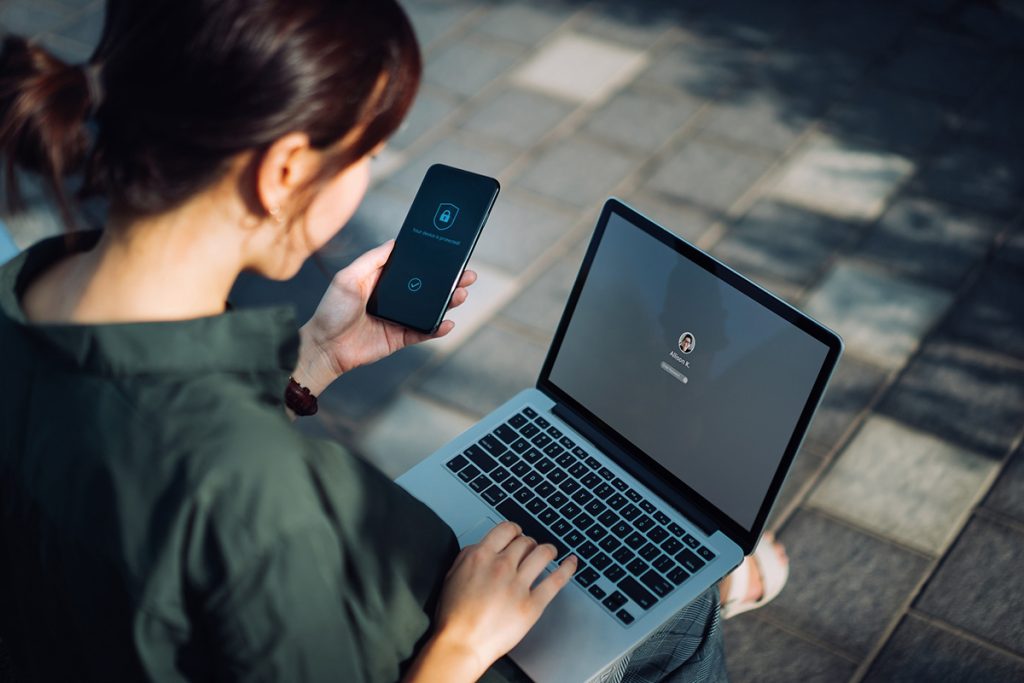
One of the most important steps to using social media safely is protecting your personal information. Avoid sharing sensitive data like your home address, phone number, financial information, or even your exact location. Adjust your privacy settings on each platform so that only trusted friends and family can view your posts. Remember, the more information you share publicly, the higher the risk of identity theft or cyberstalking. Even seemingly harmless details, when pieced together, can provide criminals with enough information to cause harm.
2. Use Strong Passwords and Two-Factor Authentication
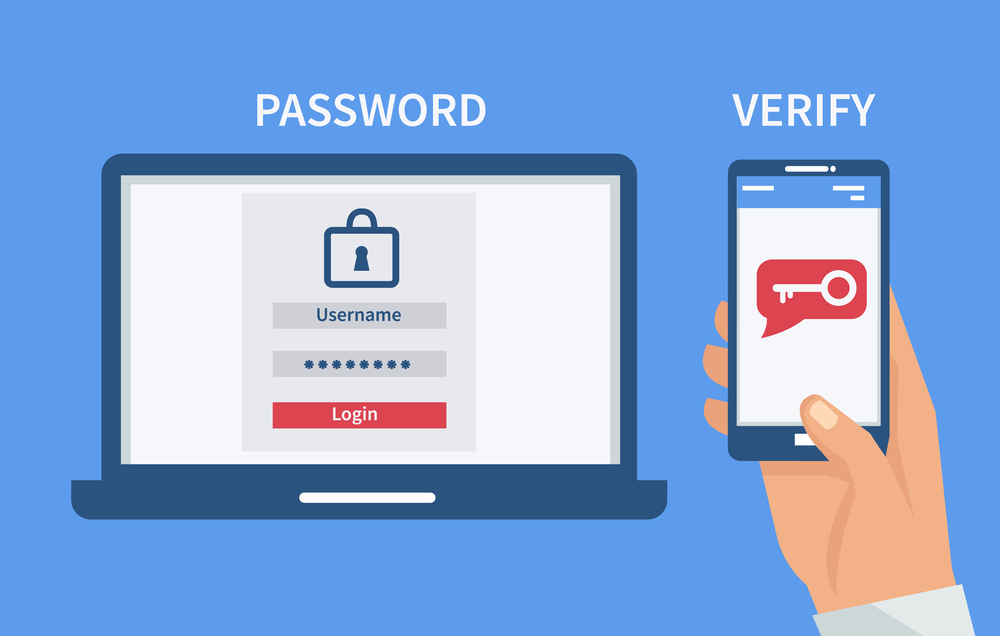
Weak passwords are one of the easiest ways for hackers to access your social media accounts. To stay safe, create unique passwords for each platform using a combination of letters, numbers, and symbols. Avoid using easily guessable information like birthdays or pet names. Additionally, enable two-factor authentication (2FA) whenever possible. This extra layer of security requires a second verification step, usually through a text message or authentication app, making it significantly harder for hackers to break into your account.
3. Think Before You Share
Social media encourages instant sharing, but it’s important to pause and think before posting. Consider whether your content could be misinterpreted, offensive, or harmful to yourself or others. Avoid sharing posts when angry or upset, as emotions can cloud judgment. Remember that once something is online, it can be challenging—or even impossible—to remove completely. This includes photos, videos, and even comments. Being mindful of what you share helps protect your reputation and prevents potential conflicts or misunderstandings.
4. Be Cautious with Friend Requests and Followers
Not everyone who sends a friend request or follows you has good intentions. Be selective about who you connect with on social media. Avoid accepting requests from strangers, especially if their profiles look suspicious or have limited activity. Scammers often use fake accounts to trick people into sharing personal information or engaging in fraudulent activities. Staying cautious ensures that your online community remains safe and supportive.
5. Avoid Clicking on Suspicious Links
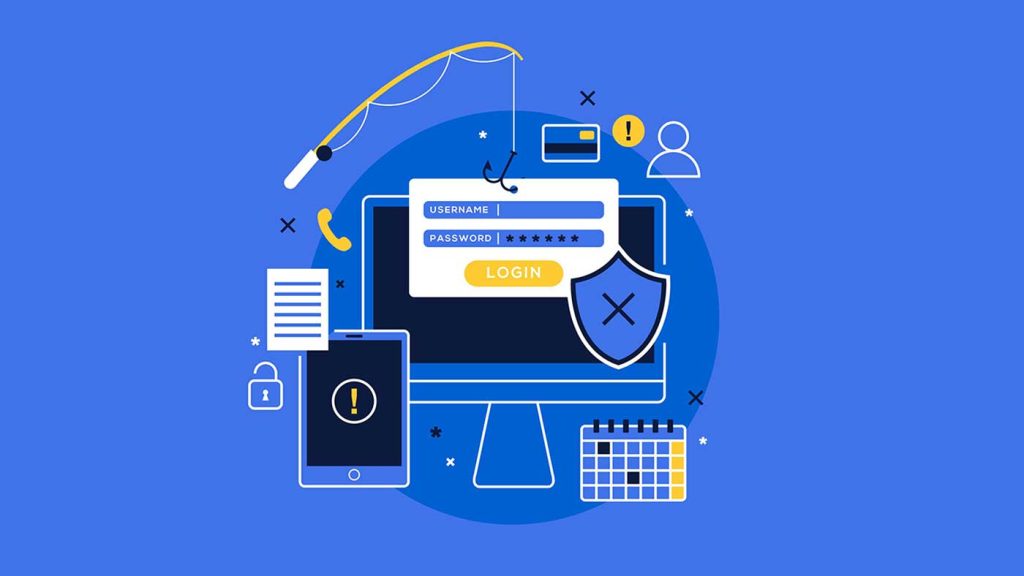
Cybercriminals frequently use social media to distribute malicious links. These links can lead to phishing websites designed to steal your login credentials or infect your devices with malware. If you receive a link from an unknown user or even a friend whose account might be compromised, avoid clicking it. Hover over links to preview the URL, and use trusted security software to scan any suspicious content. Staying vigilant can prevent potential security breaches.
6. Limit Your Location Sharing
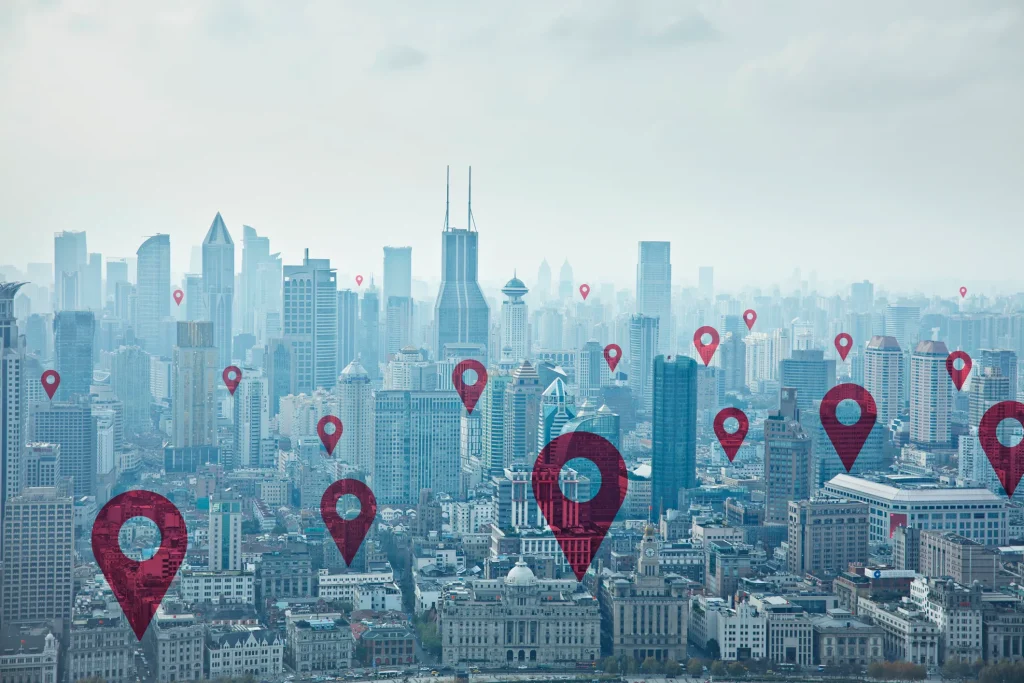
Many social media platforms allow users to tag their location in posts or stories. While this can be fun, sharing your exact location publicly can be risky. Criminals can use this information to track your movements, and over-sharing may compromise your safety. Consider turning off location services for social media apps or only sharing your location with close friends and family.
7. Monitor Your Mental Health
Social media can influence mental health in unexpected ways. Comparing yourself to others, encountering cyberbullying, or spending excessive time online can lead to stress, anxiety, or depression. Set boundaries for your social media usage, such as limiting screen time or taking regular breaks. Follow accounts that promote positivity and unfollow those that trigger negative emotions. Being mindful of your mental well-being is just as important as protecting your personal information.
8. Report Suspicious or Harmful Content
Most social media platforms provide tools to report abuse, harassment, or suspicious activity. If you encounter cyberbullying, inappropriate content, or fraudulent accounts, report it immediately. Doing so helps protect yourself and contributes to a safer online environment for everyone.
Conclusion
Social media is a powerful tool that can enhance communication, entertainment, and learning, but it comes with inherent risks. By protecting your personal information, using strong passwords, thinking before you share, being cautious with connections, avoiding suspicious links, managing location sharing, monitoring mental health, and reporting harmful content, you can enjoy social media safely. Practicing these strategies consistently will allow you to make the most of online platforms while keeping your safety and privacy intact.